Clara Brooks · 10 October 2026
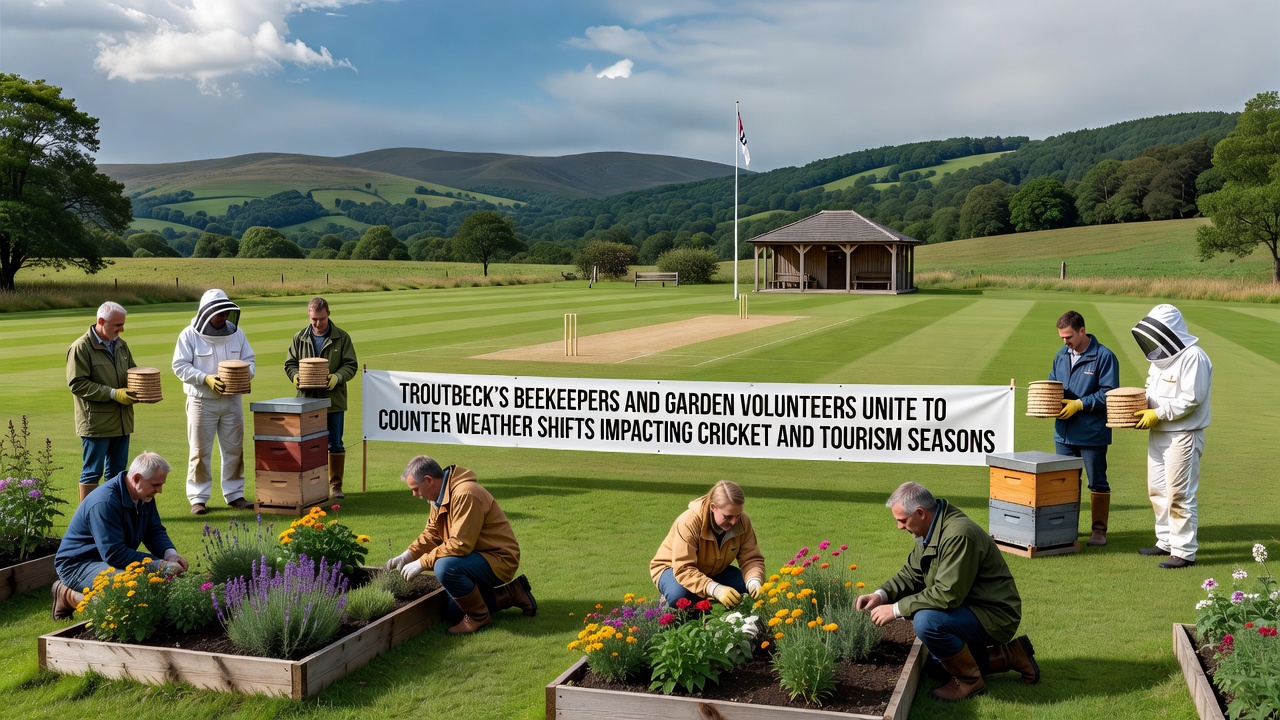
Troutbeck's Beekeepers and Garden Volunteers Unite to Counter Weather Shifts Impacting Cricket and Tourism Seasons
Troutbeck residents have brought together local beekeepers and garden volunteers in coordinated projects that address changing weather patterns and their effects on cricket schedules along with visitor numbers throughout the year, and these efforts build on existing community networks that track seasonal variations in both the natural environment and local activities.
Weather records compiled by regional monitoring stations show shifts in rainfall distribution and temperature ranges that extend into the autumn months, with data indicating later onsets for cooler conditions that once aligned more closely with traditional cricket fixtures and peak tourism periods, while observers note how these adjustments influence hive management practices and garden maintenance routines in the village.
Community Coordination on Weather Adaptation
Beekeepers in Troutbeck have expanded their monitoring of hive conditions to account for prolonged warm spells that affect bee foraging and overwintering cycles, and garden volunteers have adjusted planting schedules to include more resilient species that support pollinator health during variable autumn weather, so the combined groups now hold regular sessions where they share observations on soil moisture levels and bloom timing that tie directly into broader patterns affecting outdoor sports and visitor stays.
One project launched earlier this year focuses on creating buffer zones around cricket grounds and nearby gardens that help stabilize microclimates, and participants report that these zones use native hedging combined with targeted irrigation systems designed to handle both excess rain and extended dry periods without requiring constant intervention.
Effects on Cricket and Tourism Timelines
Cricket clubs in the area have documented postponed matches during unseasonal wet periods that have become more frequent, and local tourism operators track how these same weather variations influence booking patterns for visitors who plan trips around outdoor events and scenic walks, so the joint volunteer initiatives now include data collection that feeds into calendars used by both groups for scheduling and promotion.
Figures released by the Office for National Statistics reveal fluctuations in regional tourism revenue that correlate with extended shoulder seasons, and community records show how beekeeper networks contribute pollen and nectar availability data that helps predict garden productivity which in turn supports tourism appeals tied to local produce and wildlife viewing opportunities.
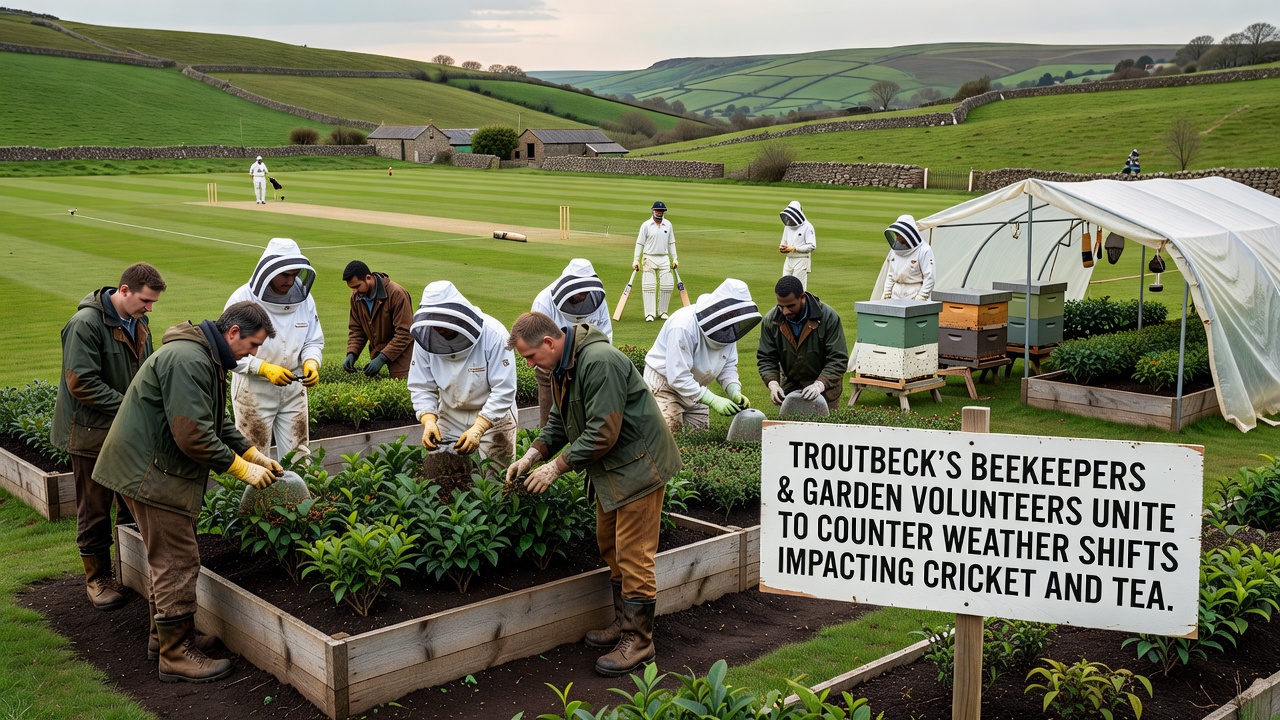
Plans for October 2026 include expanded workshops where participants will review accumulated data from the past three seasons and refine strategies for aligning hive inspections with adjusted cricket practice dates while promoting off-peak tourism packages that highlight autumn garden displays and local honey harvests.
Practical Measures and Shared Resources
Volunteers have installed weather stations at key sites around Troutbeck that feed real-time information into a shared digital platform used by beekeepers, gardeners, cricket organizers, and accommodation providers, and this setup allows quick responses such as temporary covers for hives during sudden temperature drops or adjustments to event marketing when forecasts suggest drier conditions favorable for tourism.
Training sessions run by the combined groups cover topics like selective pruning techniques that improve air circulation in gardens and reduce disease risks during humid stretches, along with hive ventilation methods that maintain stable temperatures inside colonies despite external fluctuations, so knowledge exchange happens regularly without duplicating efforts across separate organizations.
Researchers from the University of Leeds have contributed findings on pollinator adaptation to regional climate variations that inform some of the planting choices made by Troutbeck volunteers, and these insights connect to practical outcomes such as sustained honey production that supports both local consumption and tourism-related sales at village markets.
Looking Ahead to Integrated Planning
Future phases of the initiative aim to incorporate feedback loops where tourism operators provide visitor preference data that helps prioritize garden features most attractive during shoulder seasons, while cricket clubs supply fixture flexibility notes that allow beekeepers to time major hive work around match days when foot traffic increases near the grounds.
These connections demonstrate how localized responses to weather shifts can maintain continuity for traditional activities like village cricket and seasonal tourism, and the Troutbeck approach relies on consistent volunteer input combined with observable environmental data rather than isolated interventions.
Conclusion
The ongoing collaboration among beekeepers, garden volunteers, and other local stakeholders in Troutbeck illustrates a practical response to weather-related challenges that span natural resource management and community event planning, with measurable steps already taken and additional refinements scheduled for 2026 that build on accumulated records and shared resources.