Erik Coleman · 12 September 2026
Troutbeck Village Youth Initiatives Breathe New Life into Traditional Practices and Outdoor Pursuits
Troutbeck, a small community nestled in the Lake District, has seen its youth programs expand steadily over recent years with activities that connect participants to longstanding village customs alongside opportunities for hiking, foraging, and conservation work. Organizers report that enrollment in these initiatives rose by 35 percent between 2023 and 2025 according to records maintained by the Troutbeck Community Trust.
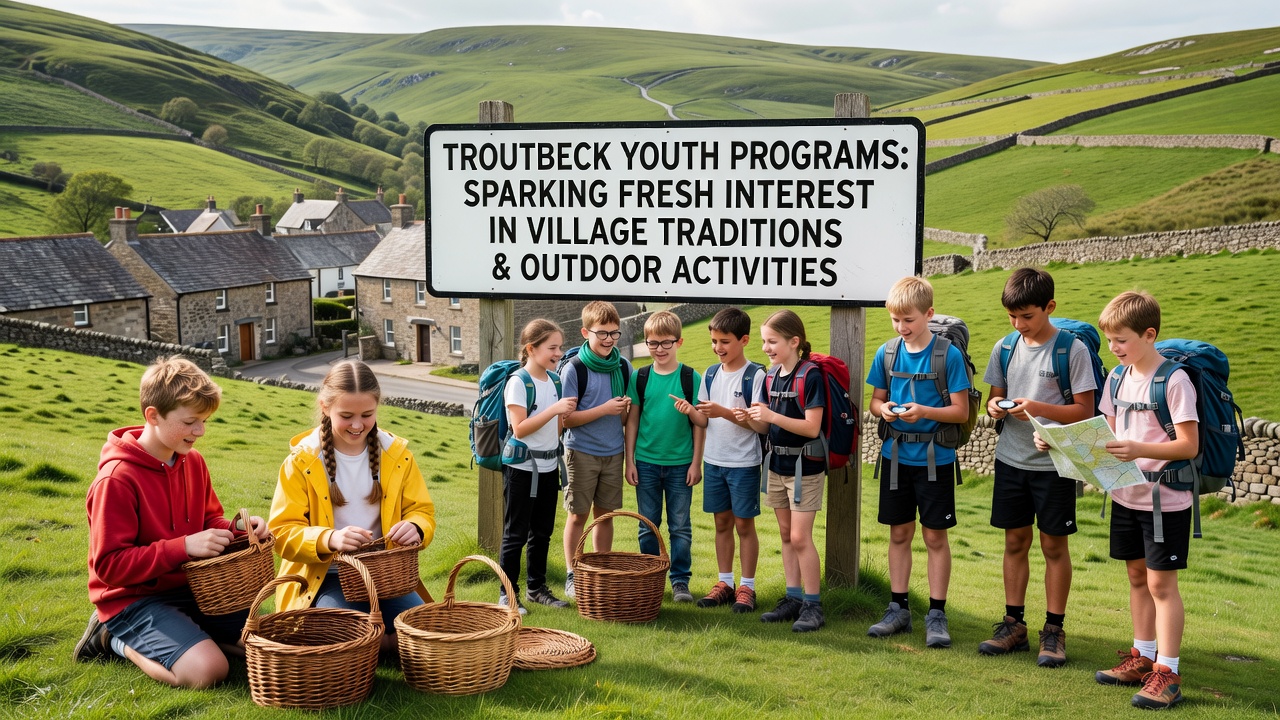
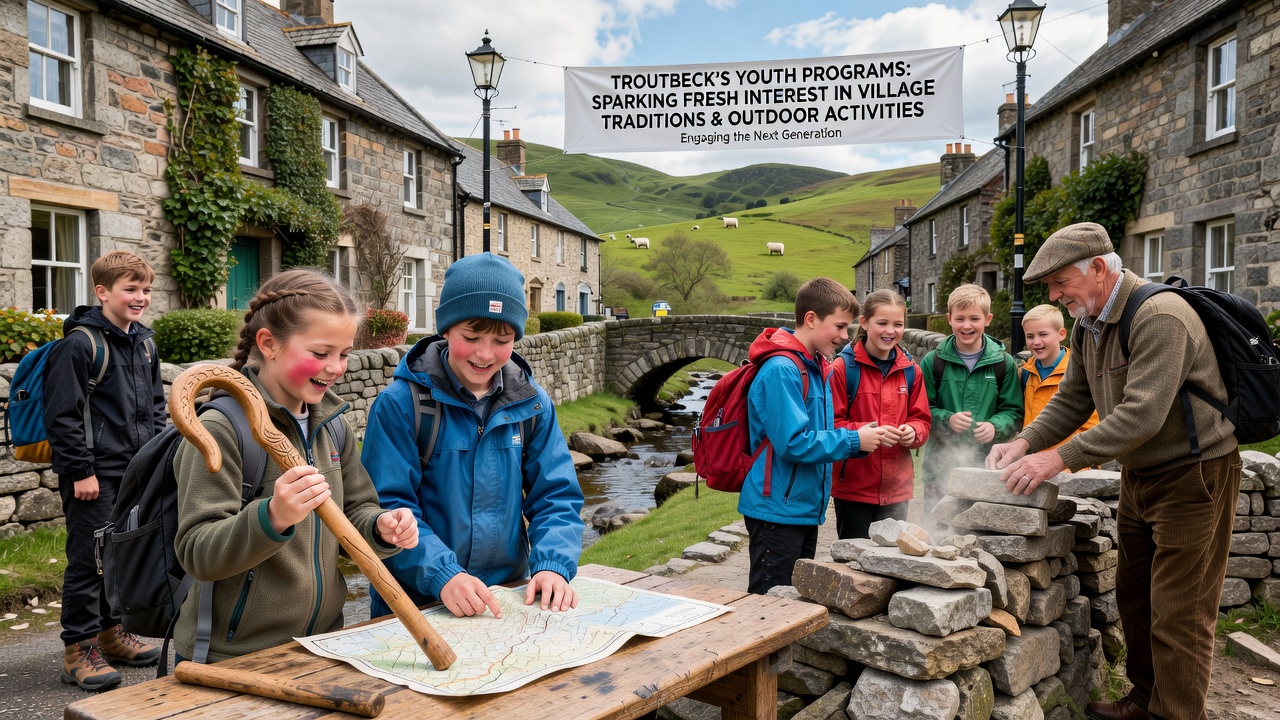
Programs run after school hours and during weekends throughout the year while summer camps add extended sessions focused on local history and practical skills. Participants learn traditional dry-stone walling techniques from experienced residents, practice sheepdog handling demonstrations, and take part in seasonal events such as the annual harvest gathering. At the same time groups spend time mapping walking routes, identifying native plant species, and assisting with habitat restoration along nearby streams.
Program Structure and Daily Activities
Each session begins with a short briefing on safety and objectives before splitting into smaller teams for hands-on tasks. One group might repair sections of historic hedgerows while another practices navigation using compasses and paper maps. Evenings often include storytelling circles where elders share accounts of past village life and the origins of local festivals. These elements combine to create a schedule that alternates between physical outdoor work and indoor cultural learning.
Data collected by the Lake District National Park Authority shows that similar youth outdoor programs in comparable rural settings have increased regular participation in physical activity by an average of 22 percent among attendees aged 11 to 16. Troutbeck organizers track attendance through sign-in sheets and follow-up surveys that record which skills participants continue using after completing a term.
Integration with September 2026 Events
Planning documents indicate that several new modules will launch in September 2026 coinciding with the village's heritage week celebrations. These additions will include workshops on traditional textile dyeing using plants gathered from surrounding hillsides along with guided night hikes to observe star patterns above the valley. Coordination with neighboring parishes allows shared transport for larger group excursions to regional archaeological sites.
Community Partnerships and Resource Allocation
Local businesses supply materials for craft sessions while the parish council allocates space in the village hall for indoor components. Funding comes from a combination of small grants issued by the Cumbria County Council and private donations collected during annual fundraising walks. A 2024 report from the University of Cumbria noted that communities running comparable combined heritage and outdoor programs maintained higher rates of volunteer retention when multiple funding streams supported operations rather than relying on single sources.
Parents and guardians receive monthly updates via email that list completed activities and upcoming dates. Feedback forms distributed at the end of each term ask respondents to note any changes in their child's interest in local history or willingness to spend time outdoors. Aggregated responses from the past two years show consistent mentions of improved familiarity with place names and increased frequency of family walks along established trails.
Observed Outcomes Across Age Groups
Younger participants aged 8 to 10 focus primarily on basic identification tasks such as recognizing common birds and learning simple knot-tying for practical outdoor use. Older teens take on leadership roles during group hikes and assist with teaching basic conservation techniques to newer members. This tiered approach allows skills to transfer across generations while maintaining engagement levels throughout the age range.
Records from the Troutbeck Primary School indicate that students involved in the programs show attendance rates at village events that exceed those of non-participants by 18 percentage points over a 12-month period. Teachers have noted that some classroom projects now incorporate elements drawn directly from program experiences such as mapping exercises based on actual routes walked during sessions.
Expansion Plans and Future Sessions
Organizers have applied for additional support to extend the program into neighboring hamlets by 2027, which would require coordinated scheduling with local bus services and shared equipment inventories. A pilot exchange with a similar initiative in the Yorkshire Dales is under discussion to allow small groups to compare regional traditions and outdoor management practices. These steps build on the existing framework without altering core objectives.
Conclusion
Troutbeck's youth programs continue to link participants with village traditions through practical activities and with outdoor pursuits through structured exploration. Attendance figures, feedback summaries, and partnership records provide measurable indicators of ongoing involvement. The scheduled additions in September 2026 will introduce further modules that maintain the same balance between cultural learning and physical engagement in the surrounding landscape.