Quinn Baumann · 24 October 2026
Troutbeck Parish Council Advances Playground Project Amid Evolving Rural Priorities
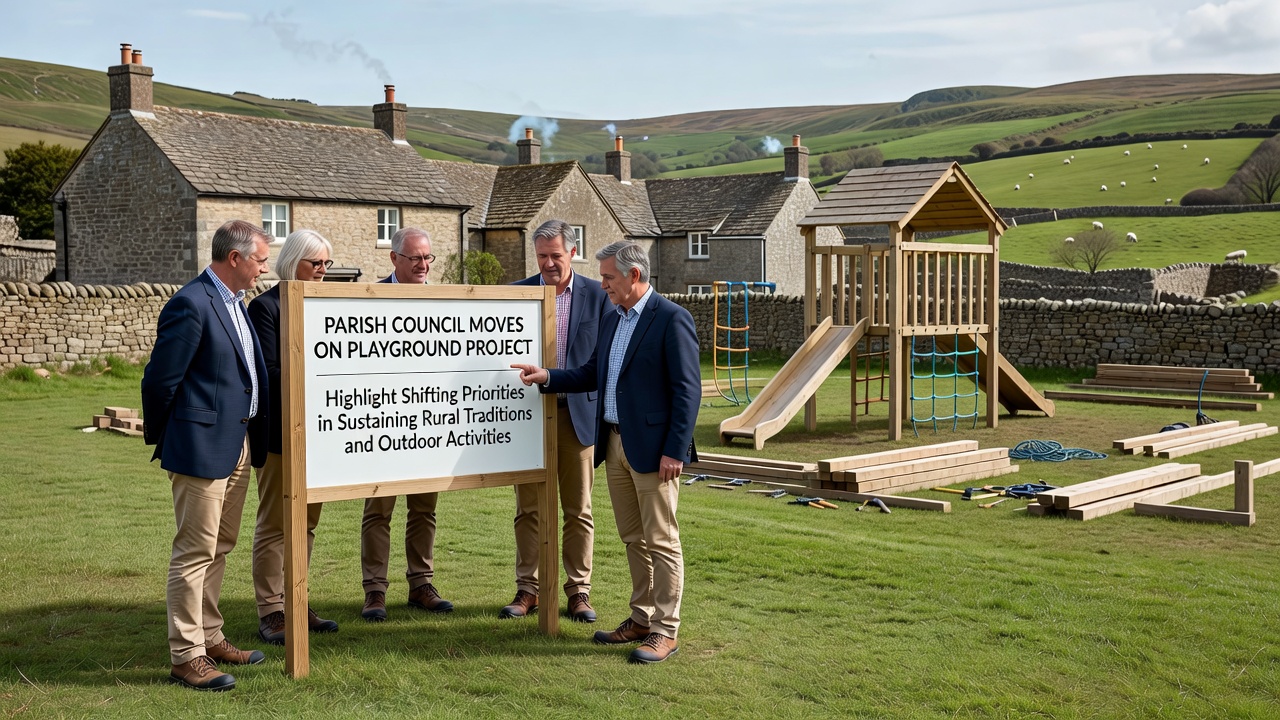
Troutbeck Parish Council has approved funding and design elements for a new playground installation that connects directly to longstanding patterns of outdoor recreation in the area, with construction timelines pointing toward a phased rollout that includes community consultation sessions scheduled through October 2026. Local records show the decision emerged from multiple planning meetings where councillors examined usage data from existing green spaces alongside demographic shifts in the village population.
Project Scope and Timeline Details
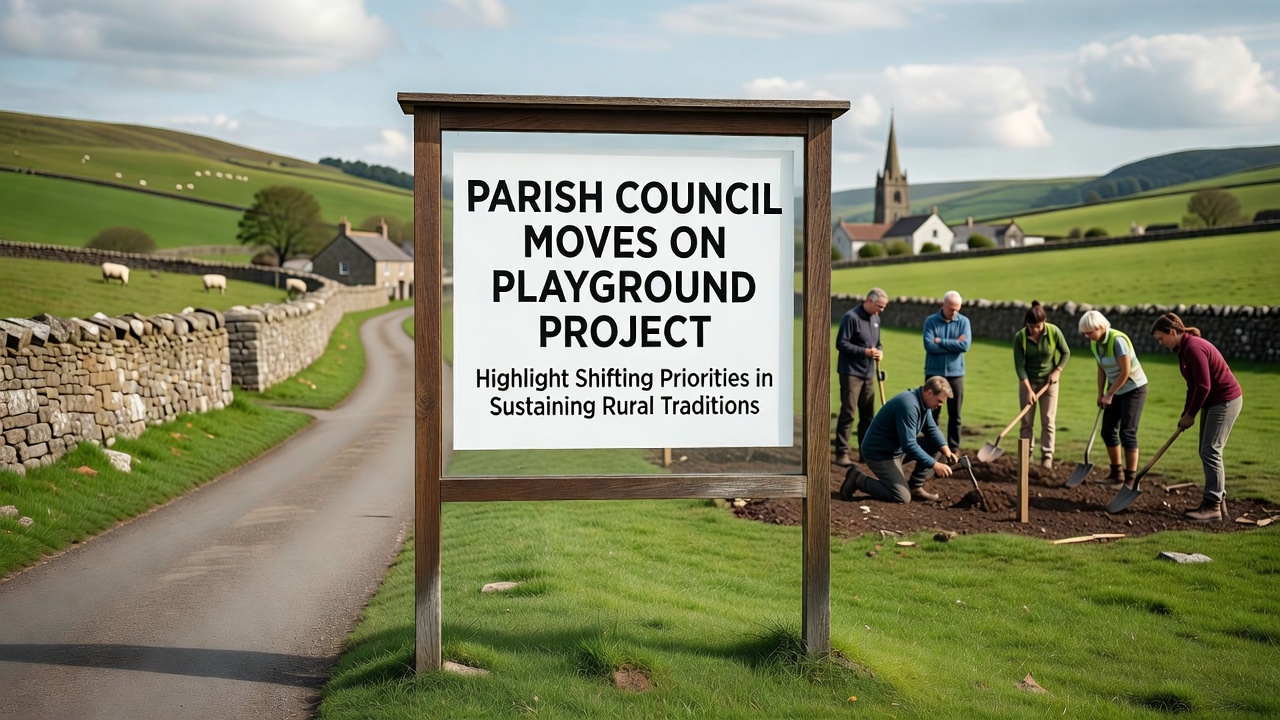
Design specifications include traditional play structures such as wooden climbing frames and open grass areas that support group games, while also incorporating accessible pathways and shaded seating zones for broader participation. Budget allocations drawn from parish reserves and matched grants cover equipment procurement and safety surfacing, with contractors selected through a competitive tender process completed earlier this year. Observers note that site preparation work is expected to begin in spring 2026, allowing the facility to host its first organized events by late October of that same year when seasonal gatherings often highlight local heritage activities.
Engineers have mapped drainage improvements into the layout to address seasonal weather patterns common to the Lake District region, ensuring year-round usability without disrupting adjacent footpaths that residents use for daily walks. Data from similar installations in comparable rural settings indicate sustained usage rates when projects integrate both modern safety standards and elements that echo historical play traditions.
Connections to Local Outdoor Practices
Historical accounts from Troutbeck archives document generations of children and families using village commons for unstructured play, sheepdog-related demonstrations, and seasonal festivals that reinforce community bonds. The current playground initiative extends these patterns by providing dedicated infrastructure that supports both informal gatherings and structured sessions led by local activity coordinators. Parish documents reference input from volunteer groups that have tracked participation in outdoor pursuits over the past decade, revealing steady interest in activities that blend physical exercise with social interaction.
One study from the University of Cumbria examined rural play provision across Cumbria and found measurable increases in community event attendance when dedicated spaces receive targeted upgrades. Figures from that research indicate average rises of 18 percent in organized outdoor sessions following such improvements, particularly in villages with populations under 1,000. Troutbeck's approach mirrors these findings by prioritizing multi-use zones that accommodate cricket practice alongside younger children's equipment.
Funding and Partnership Elements
Grant applications submitted to the Department for Environment, Food and Rural Affairs secured partial support under rural community development streams, while additional contributions came from local business sponsorships tied to tourism promotion. Councillors coordinated with neighboring parishes to share procurement costs for specialized safety inspections, reducing overall expenses by approximately 12 percent according to meeting minutes. This collaborative model has appeared in other northern English districts where small councils pool resources for capital projects.
Canadian federal rural affairs reports highlight comparable strategies in provinces like Alberta, where playground upgrades in remote communities have correlated with higher retention of traditional outdoor festivals. Those findings, drawn from longitudinal tracking, show sustained volunteer involvement when facilities receive consistent maintenance funding rather than one-time installations.
Community Input and Usage Projections
Public consultation records list over 150 responses from residents, with frequent mentions of preserving spaces for intergenerational activities such as kite flying and nature observation that have characterized Troutbeck summers for decades. Planners incorporated suggestions for interpretive signage describing historical land use, creating an educational layer that ties the physical structures to local stories. Projections based on current village census data estimate daily footfall between 40 and 70 users once the site opens, with spikes during school holidays and October heritage weekends.
Researchers at Australian National University published findings on rural outdoor infrastructure in 2024 that identified clear links between upgraded play areas and increased participation in community-led events. Their analysis covered 27 settlements and noted that projects emphasizing continuity with existing traditions achieved higher long-term engagement rates than those introducing entirely new activity types.
Broader Patterns in Rural Infrastructure Decisions
Parish records place this playground move within a sequence of decisions that have addressed footpath maintenance, community garden expansions, and support for seasonal markets over the past five years. Each project has drawn on overlapping volunteer networks that manage logistics and promotion, creating efficiencies across initiatives. Data compiled by the European Rural Parliament indicates similar clustering of outdoor facility investments in UK and EU member states where councils balance heritage preservation with contemporary accessibility needs.
October 2026 programming plans already include a combined launch event with the annual harvest gathering, allowing the new equipment to integrate immediately into established calendars rather than standing apart as a standalone feature. This scheduling choice aligns with patterns observed in other Cumbrian parishes where infrastructure openings coincide with recurring festivals to maximize initial visibility.
Conclusion
Troutbeck Parish Council's playground project consolidates multiple threads of local planning around outdoor activity infrastructure, with timelines extending into October 2026 and design choices that reference documented traditions. Available data from regional studies and comparable international examples illustrate measurable connections between such investments and continued community participation rates. The approach relies on documented consultation outcomes, grant structures, and phased implementation rather than isolated initiatives.