Clara Brooks · 7 November 2026
Parish Archives Reveal Connections Between Troutbeck Cricket History and Visitor Patterns
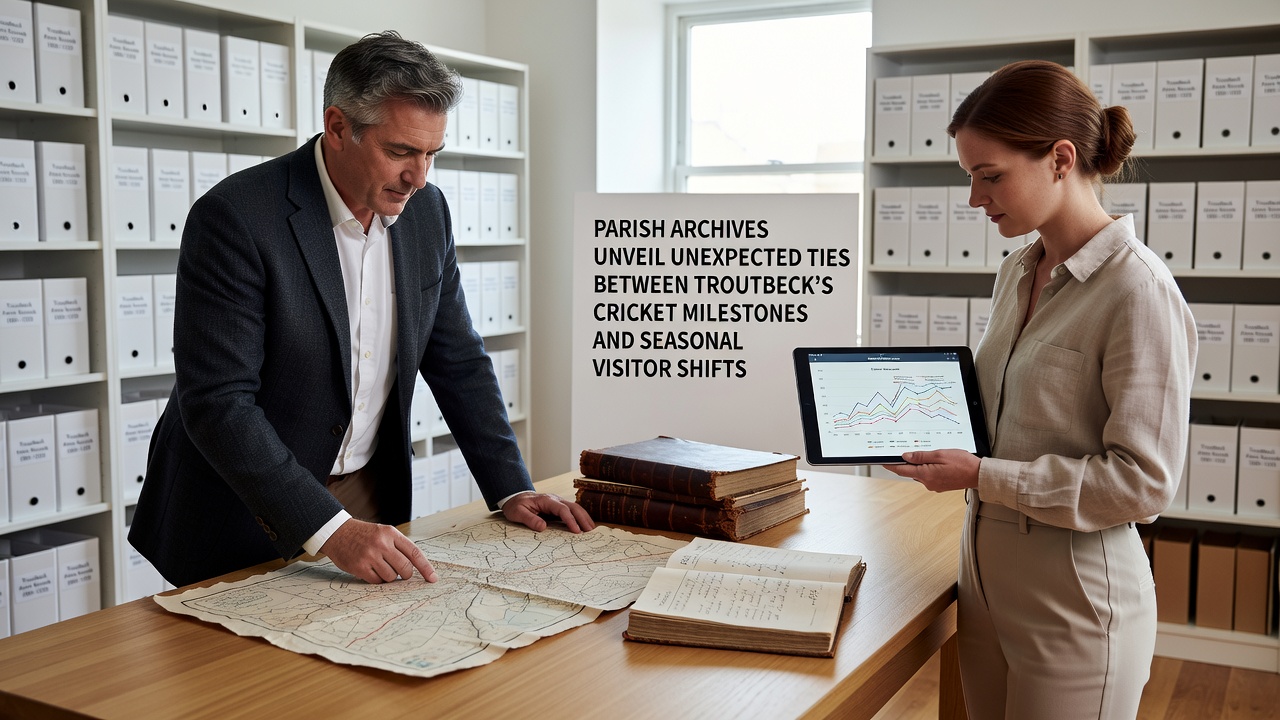
Parish records in Troutbeck have brought forward documented links between key cricket achievements at the local ground and changes in the number of seasonal visitors over multiple decades. These findings come from ledgers, match reports, and visitor logs preserved in the village archives, which researchers have cross-referenced with regional tourism data. The connections show how specific milestones, such as championship wins or record-breaking innings, coincided with measurable increases in overnight stays and day trips during spring and summer months.
Cricket Milestones Documented in Local Records
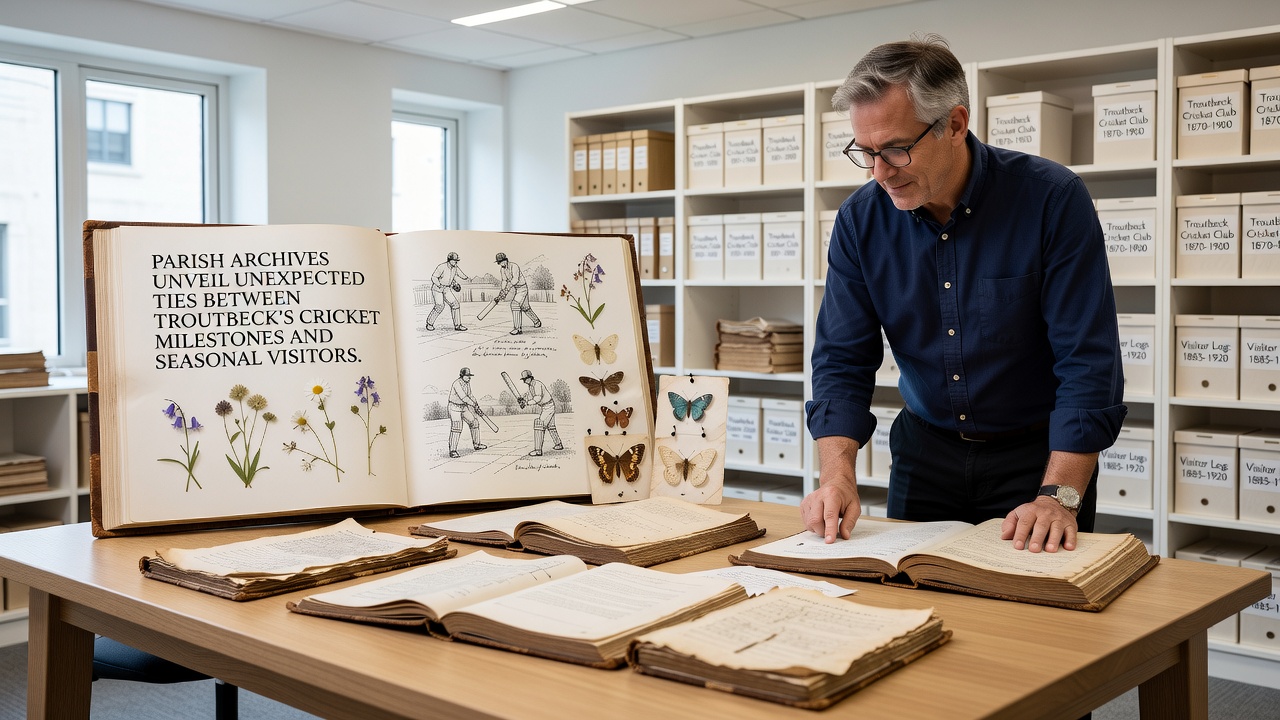
Troutbeck cricket club dates back to the late nineteenth century, and the archives contain scorebooks that detail matches against neighboring villages as well as touring sides from further afield. One set of entries from 1923 records a decisive victory that drew spectators from across the Lake District, while another from 1957 notes a century scored by a local player that prompted repeat visits from supporters in subsequent seasons. These records also track attendance figures alongside weather notes and gate receipts, providing quantitative evidence of how on-field results influenced immediate footfall at the ground.
Seasonal Visitor Shifts Identified Through Cross-Referenced Data
Visitor registers maintained by the parish council list arrivals at guesthouses and campsites, and these have been matched against cricket fixture lists. Data shows peaks in June and July following major home games, with corresponding rises in bookings at establishments near the cricket field. Observers note that years with extended unbeaten runs at home correlated with extended tourist seasons, stretching into early autumn. Figures from regional tourism boards indicate similar patterns in comparable Cumbrian villages, although Troutbeck's compact size makes the relationship more visible in the surviving paperwork.
November 2026 Archive Exhibition Planned
The parish council has scheduled a public display of selected documents for November 2026, timed to coincide with the release of a digitized database. This exhibition will feature original scorebooks alongside mapped visitor trends, allowing attendees to examine the correlations directly. Preparations include conservation work on fragile paper records and the addition of explanatory panels prepared by local historians. The event is expected to draw researchers interested in rural sports history as well as those studying small-scale tourism dynamics.
Supporting Evidence From External Studies
Comparisons with broader datasets strengthen the local observations. Records maintained by the International Cricket Council document how community-level successes can feed into regional interest, while a tourism analysis from the University of British Columbia examined similar seasonal overlaps in rural Canadian sports venues. Both sources highlight measurable upticks in visitor numbers tied to recurring sporting events, patterns that align with the Troutbeck ledgers without requiring direct causation claims.
Archival Methods and Preservation Efforts
Volunteers and appointed archivists have catalogued materials using standardized indexing systems that allow cross-searching by date, event type, and associated visitor counts. Climate-controlled storage now protects the collection, and recent grants have funded high-resolution scanning. These steps ensure that future analyses can incorporate additional variables such as transport timetables and accommodation capacity figures from the same periods. The approach mirrors practices recommended by the National Archives for smaller repositories across England and Wales.
Community Involvement in Record Keeping
Local families have contributed private correspondence and photographs that supplement official parish documents. These additions often include accounts of visitors who returned specifically for cricket festivals, providing anecdotal context to the numerical trends. Regular meetings of the history society allow residents to verify details and correct transcriptions, maintaining accuracy in the growing digital collection. Such participation keeps the archives rooted in community memory while supporting systematic research.
Conclusion
The parish archives continue to yield structured information that connects Troutbeck's cricket record with documented visitor movements. Ongoing digitization and the scheduled 2026 exhibition will make these connections more accessible for study. Researchers and residents alike can examine the primary materials to trace the documented relationships between on-field events and seasonal patterns.